+91 80 4718 2200 enquiries@gridora.example
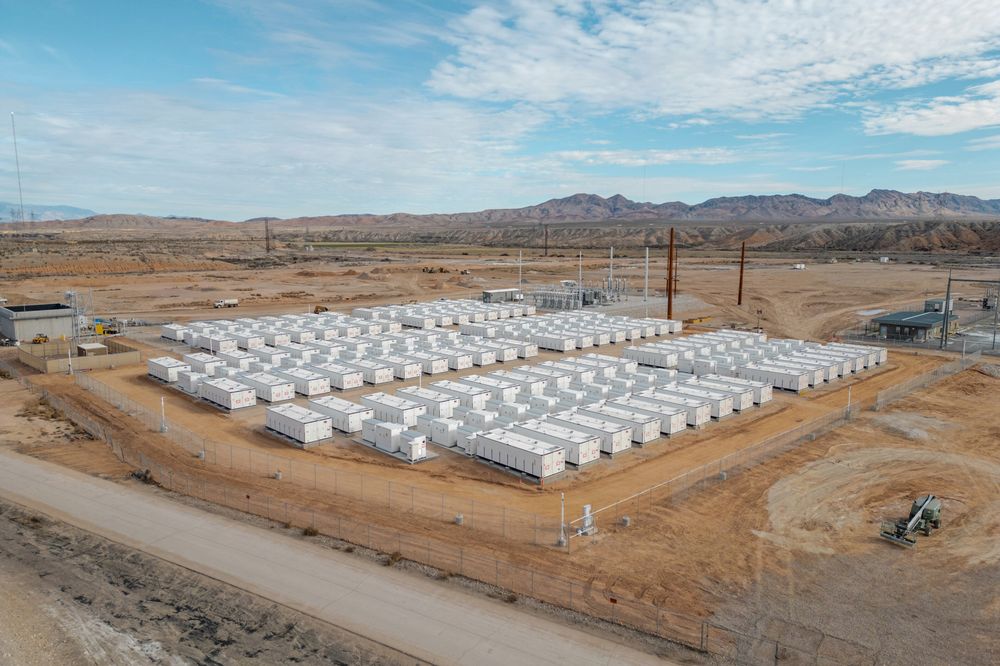
A large battery storage installation arranged in rows

Solutions

Flexible Energy Storage for Every Scale

The same platform behind a factory switchboard, a charging hub, an islanded campus or a transmission-connected yard.

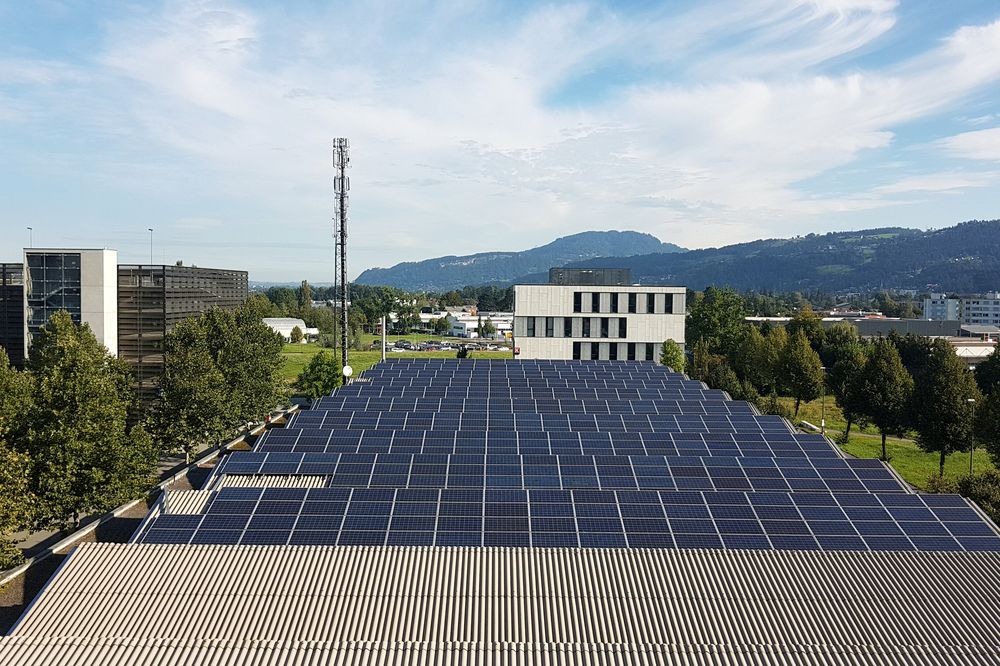
Rooftop photovoltaic array on a commercial building
01

Commercial & Industrial

Reduce energy costs, improve reliability and support uninterrupted operations.

Manufacturing lines, cold chains and process plants pay for two things: the energy they use and the peak they draw. A system sized against your own interval data shaves that peak, carries short grid interruptions and lets you buy energy at the cheaper end of the tariff.

In most cases the cabinet sits behind the main switchboard and needs nothing more than a prepared plinth, a cable route and a metering point to work from.

  • Lower demand charges by discharging into measured peaks
  • Ride through short grid dips without dropping a production batch
  • Shift consumption into off-peak and captive generation windows
  • Defer a sanctioned-load upgrade when adding new equipment

Typical applicationsManufacturing plants, cold storage, textile and process industry, logistics hubs, hospitals

Size a system for your site
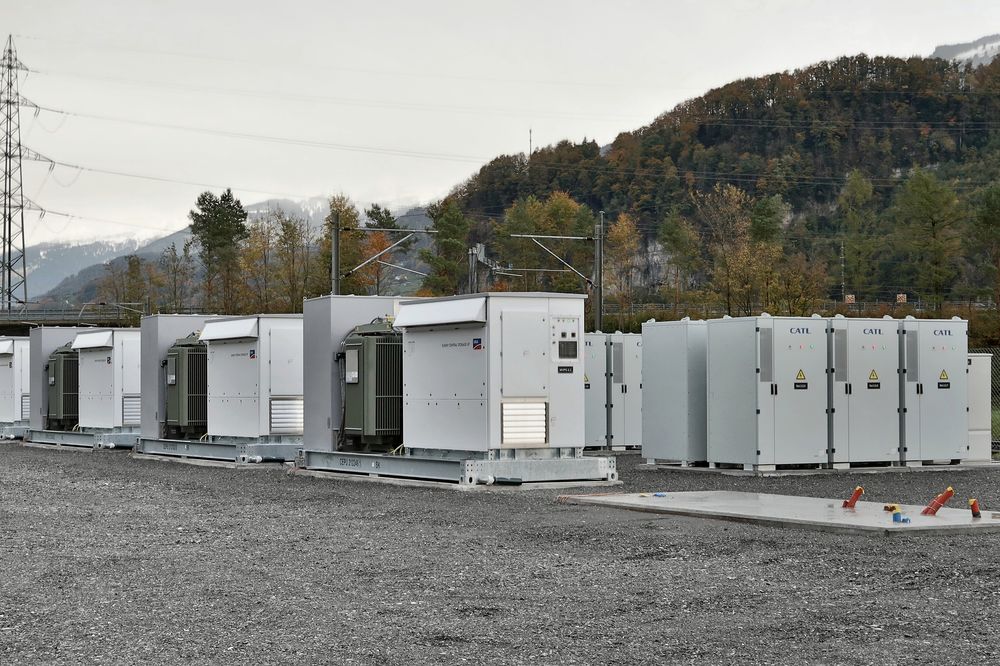
A utility-scale battery storage yard laid out in rows
02

Utility Scale

Large-scale storage for grid stability, renewable integration and peak management.

Utility-scale systems are built around dispatch obligations rather than a single site load. Containerised blocks are arranged into a yard with shared power conversion, auxiliary supply and a plant controller that answers to the grid operator.

Building in blocks means the first block can be energised and earning while the last one is still being delivered.

  • Firm up variable generation against a committed schedule
  • Provide frequency response and reserve capacity
  • Move bulk energy from the midday surplus into the evening peak
  • Scale in blocks as the connection agreement grows

Typical applicationsIndependent power producers, transmission and distribution utilities, renewable developers

Discuss a utility project
Containerised battery storage units on a prepared site
03

Microgrids

Reliable power for remote locations, critical facilities and independent energy systems.

A microgrid has to hold its own voltage and frequency when the grid is not there. Grid-forming conversion, a controller that sequences generation and load, and enough storage to cover the gap between sources are what make islanded operation practical rather than theoretical.

The transition matters as much as the steady state: the system has to island and resynchronise without the site noticing.

  • Run islanded when the grid is unavailable or absent
  • Cut diesel run-hours and the fuel logistics behind them
  • Sequence solar, generator and storage automatically
  • Reconnect to the grid without interrupting the load

Typical applicationsRemote industrial sites, island communities, telecom infrastructure, research stations

Plan an islanded system
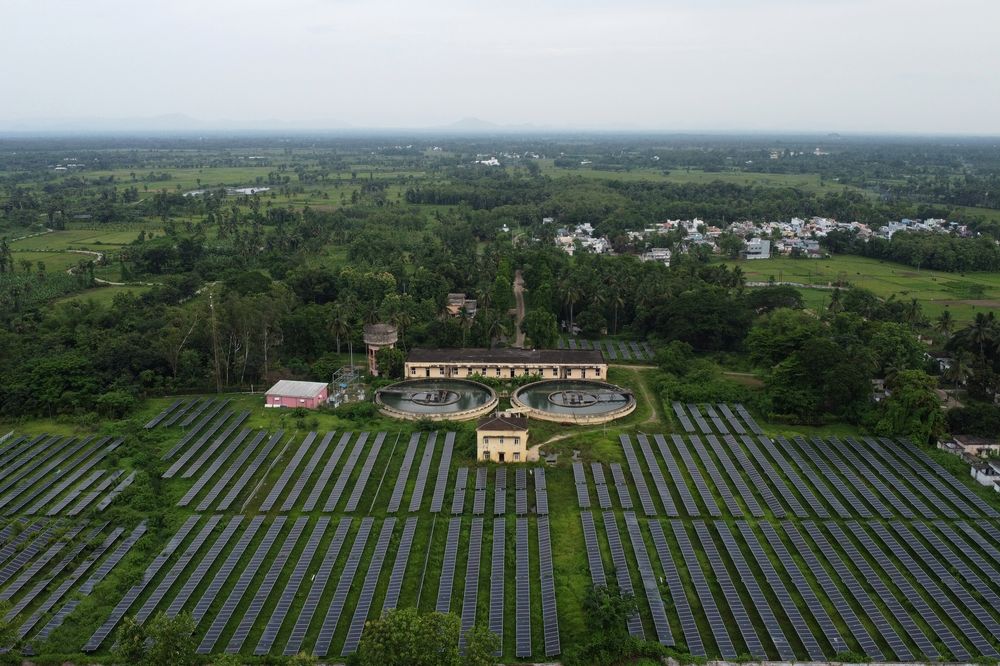
Aerial view of a solar farm surrounded by farmland
04

Renewable Integration

Store solar and wind energy for round-the-clock clean power.

Generation peaks rarely line up with demand peaks. Coupling storage to a solar or wind plant captures what would otherwise be curtailed and releases it when the network actually needs it — either on the DC side of the inverters or as an AC-coupled block.

DC coupling recovers clipped output and shares the existing inverters. AC coupling is simpler to retrofit and keeps the two assets independent. Which one wins depends on the plant.

  • Capture clipped output instead of curtailing it
  • Deliver a flat or shaped export profile
  • Meet ramp-rate limits set by the grid code
  • Support round-the-clock supply commitments

Typical applicationsSolar EPC contractors, wind developers, hybrid renewable parks, corporate PPA projects

Model a hybrid plant
Outdoor battery storage cabinets installed at a roadside site
05

EV Charging Support

Energy storage designed to support high-power EV infrastructure.

High-power charging hubs draw hard and briefly. Buffering those bursts with storage means the connection can be sized for the average draw rather than the worst-case simultaneous one, which is usually the difference between a workable site and an expensive grid upgrade.

It also flattens the demand charge, which on a charging site can be a larger line item than the energy itself.

  • Serve simultaneous fast-charge sessions from a modest connection
  • Avoid or defer a distribution network upgrade
  • Keep demand charges predictable across the month
  • Add charge points without re-sizing the supply

Typical applicationsCharge point operators, fleet depots, highway service areas, bus and truck terminals

Size a charging buffer
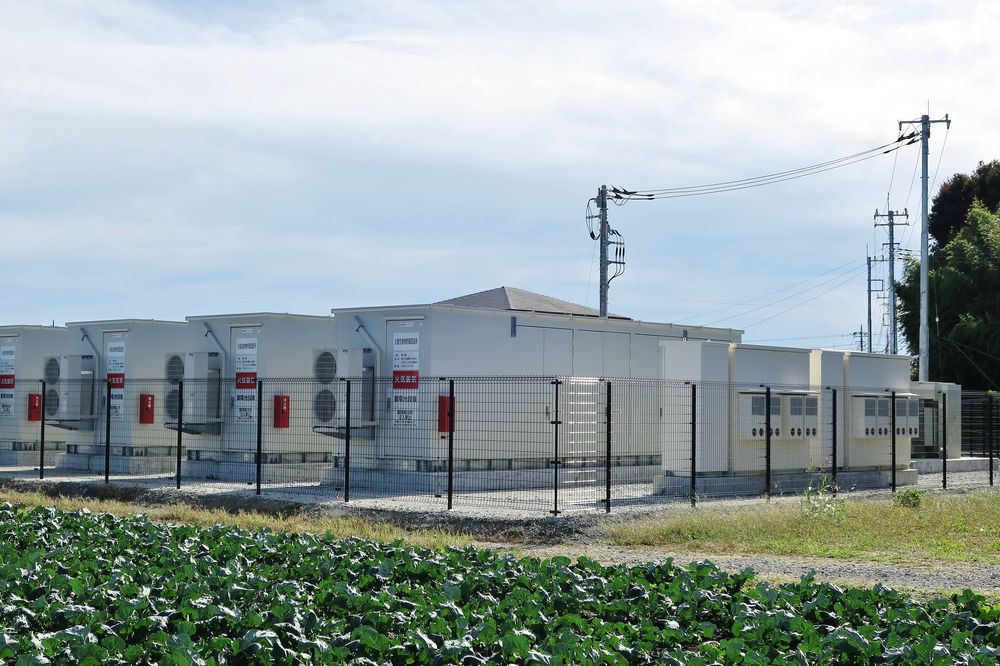
A row of outdoor battery storage cabinets beside a field
06

Peak Shaving

Reduce demand charges and optimise energy consumption.

On most commercial tariffs a handful of fifteen-minute intervals set the bill for the whole month. The energy management system watches the rolling demand and discharges into those intervals before they become the billed maximum.

Because the threshold is a setting rather than a fixed design point, it can be tuned once a few months of real operating data exist.

  • Cap billed maximum demand at a chosen threshold
  • Track the rolling interval rather than reacting after the fact
  • Report avoided demand per billing period
  • Combine with tariff arbitrage on the same asset

Typical applicationsCommercial campuses, retail chains, data centres, educational institutions

Review your load profile
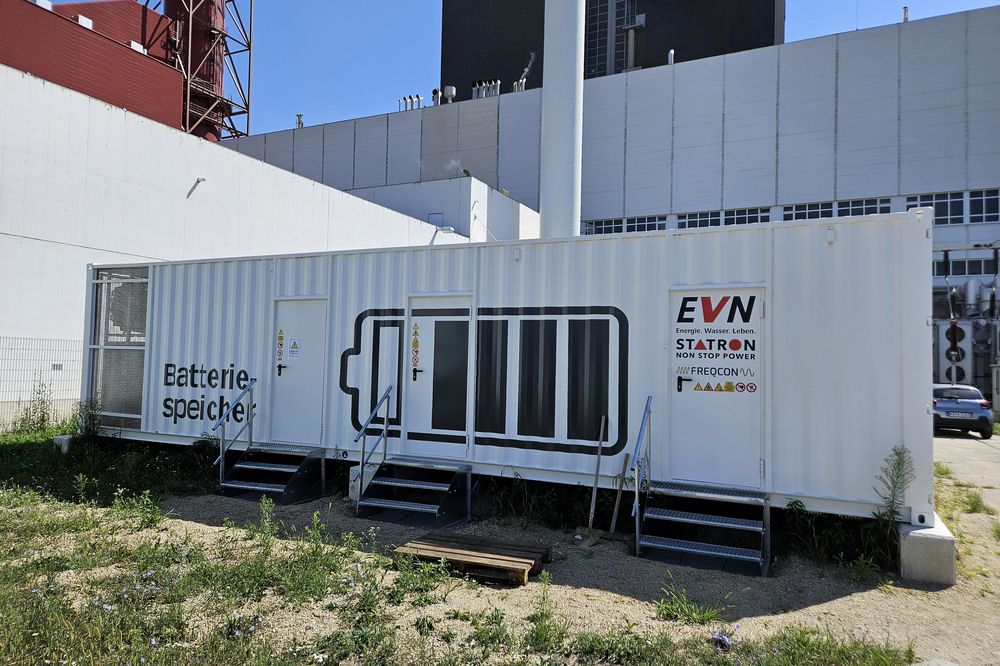
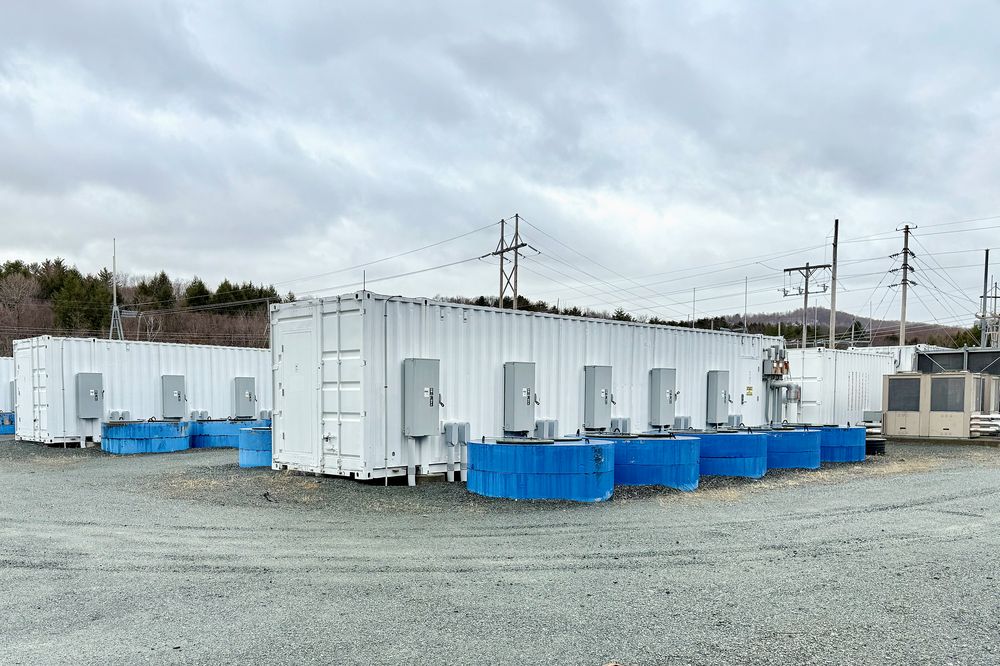
A containerised battery system installed next to a substation
07

Backup Power

Keep critical loads running through outages without waiting for a generator to start.

Storage transfers to the critical bus in milliseconds, which covers the window a generator needs to start and take load — and for shorter interruptions it removes the need to start one at all.

Autonomy is a sizing decision, not a product decision: the same cabinet can hold a small load for hours or a large one for minutes.

  • Sub-cycle transfer for sensitive process and IT loads
  • Cover short outages without starting the generator
  • Extend generator autonomy when the outage is long
  • Test and report on autonomy without a live outage

Typical applicationsData centres, hospitals, semiconductor and pharmaceutical plants, control rooms

Specify backup autonomy
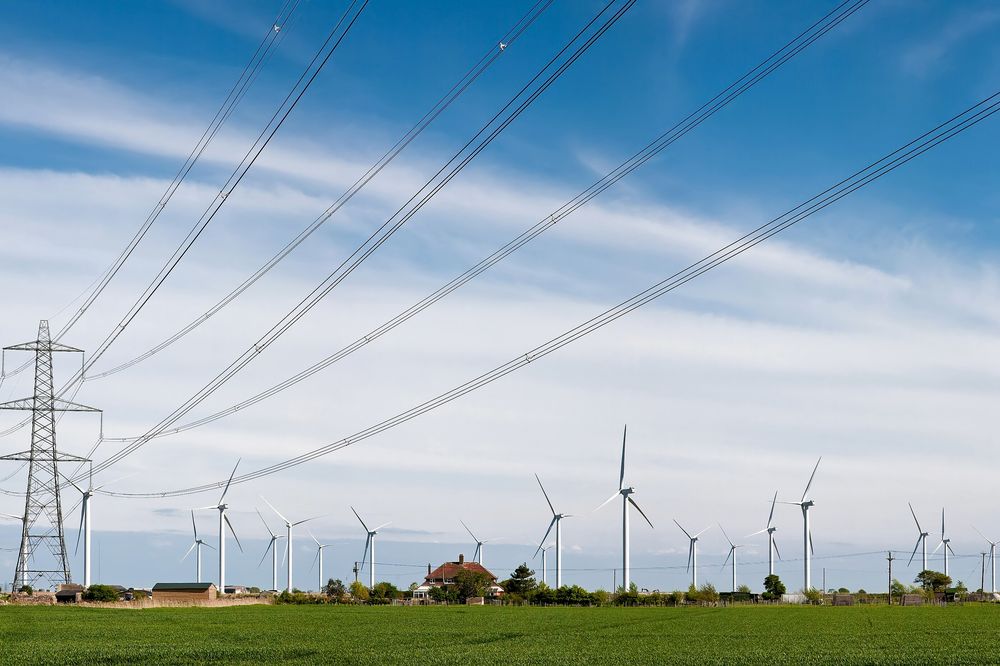
Transmission lines crossing farmland with wind turbines behind
08

Energy Arbitrage

Buy energy when it is cheap, use or sell it when it is expensive.

Where time-of-day tariffs or a market price signal exist, a storage asset can be scheduled against them. The energy management system takes the forecast, the tariff and the state of charge, and produces a dispatch plan that respects the warranty envelope.

The constraint worth watching is cycles: a plan that earns more per day but consumes warranty faster is not always the better plan.

  • Schedule charge and discharge against a price signal
  • Respect cycle and depth-of-discharge limits automatically
  • Stack arbitrage with demand management on one asset
  • Report realised value per cycle

Typical applicationsOpen-access consumers, energy traders, industrial groups with market exposure

Talk through the economics

Next step

Not sure which one fits?

Send us a load profile, a single-line diagram or just a description of the problem. We will come back with the configurations worth considering.

Talk to an Energy Expert
Speak to engineering
+91 80 4718 2200
Send the details
enquiries@gridora.example
Office hours
Monday to Friday, 09:30 – 18:30 IST